Sub-urban oddities.
We questioned ourselves, given the brief, on how not to fall into the standard context, most of the times as a result of blind planning rules.
So, as the saying goes: “if you can’t beat ‘em, join ‘em.”
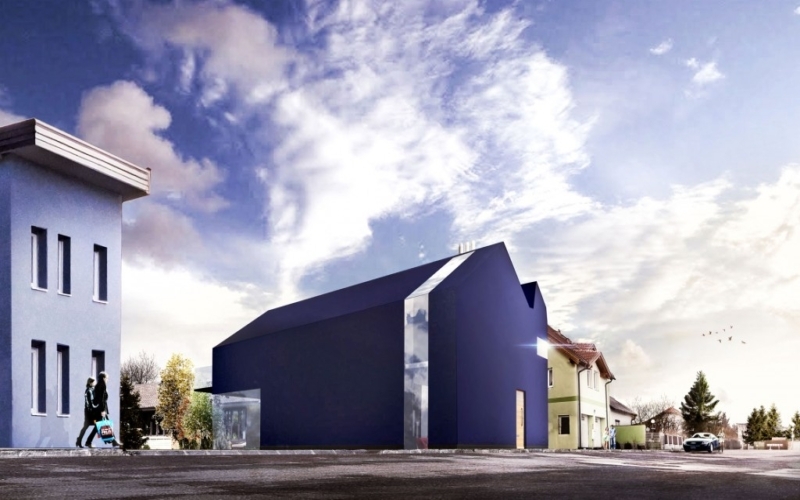
To pursue this, we started looking closely at all the different typologies around our site. We studied them trying to understand how they came to be. We tried to comprehend their rules–which are, basically, follow council planner rules. We then began to emphasize common types of openings into techniques of façade-making.
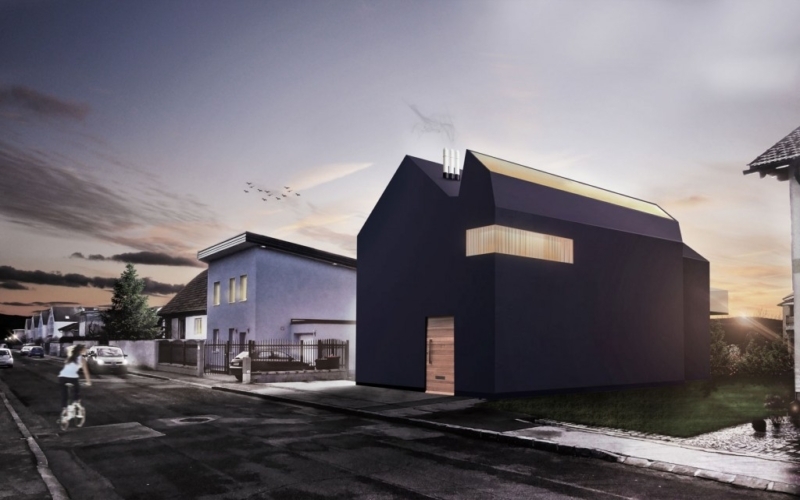
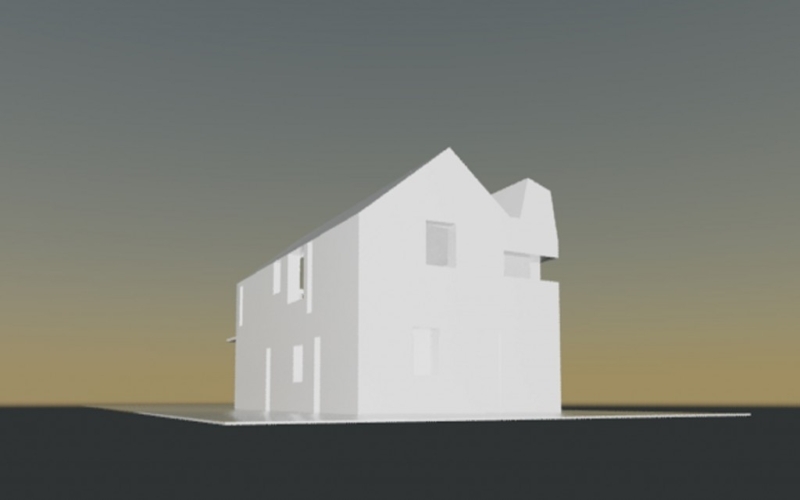
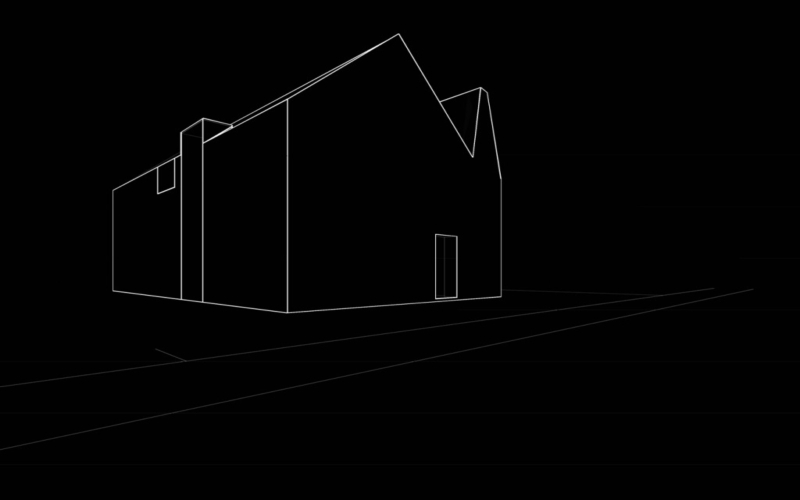
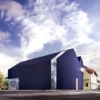
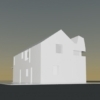
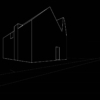
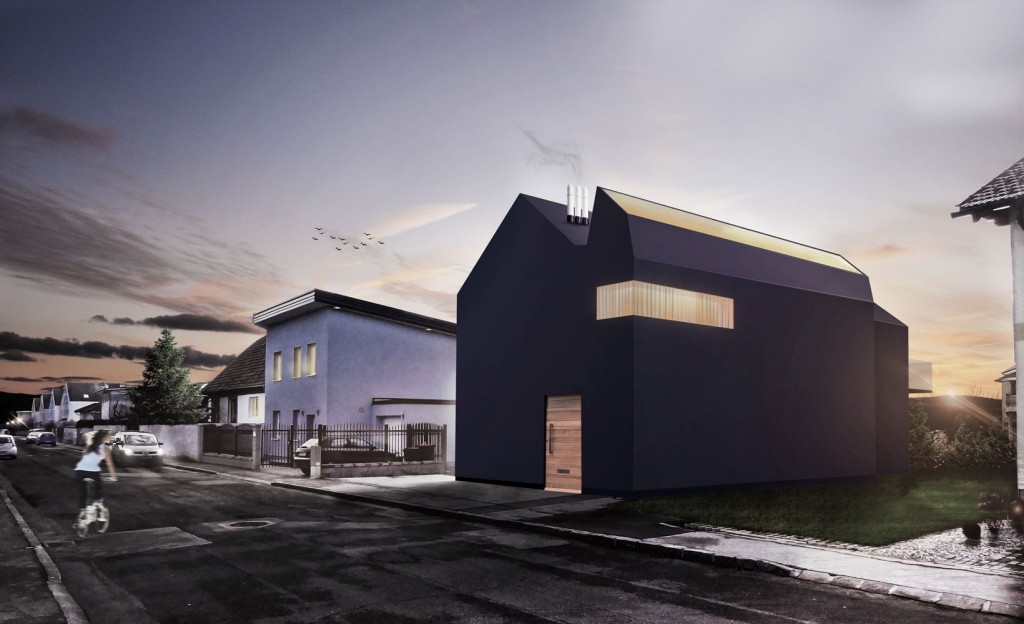
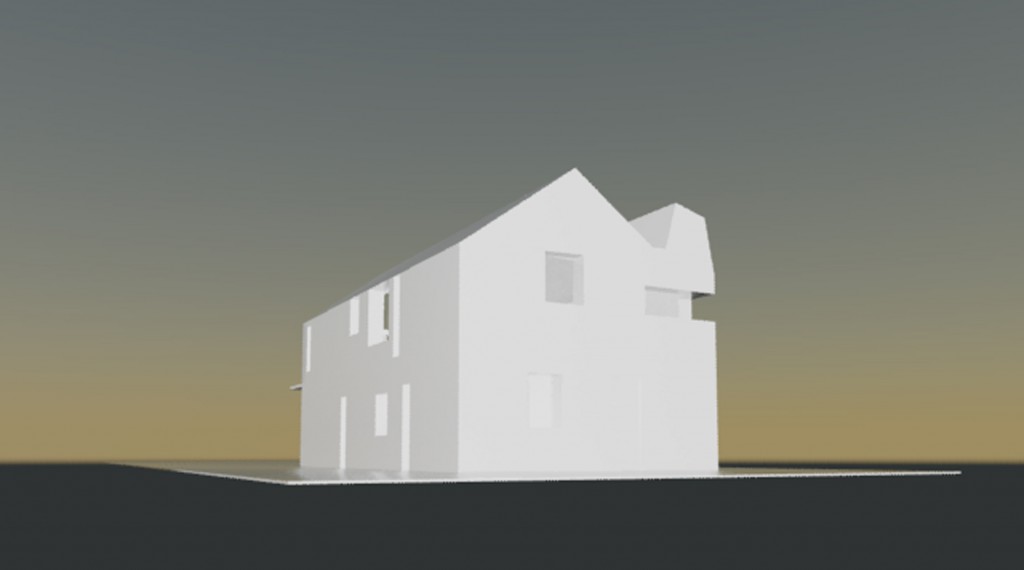
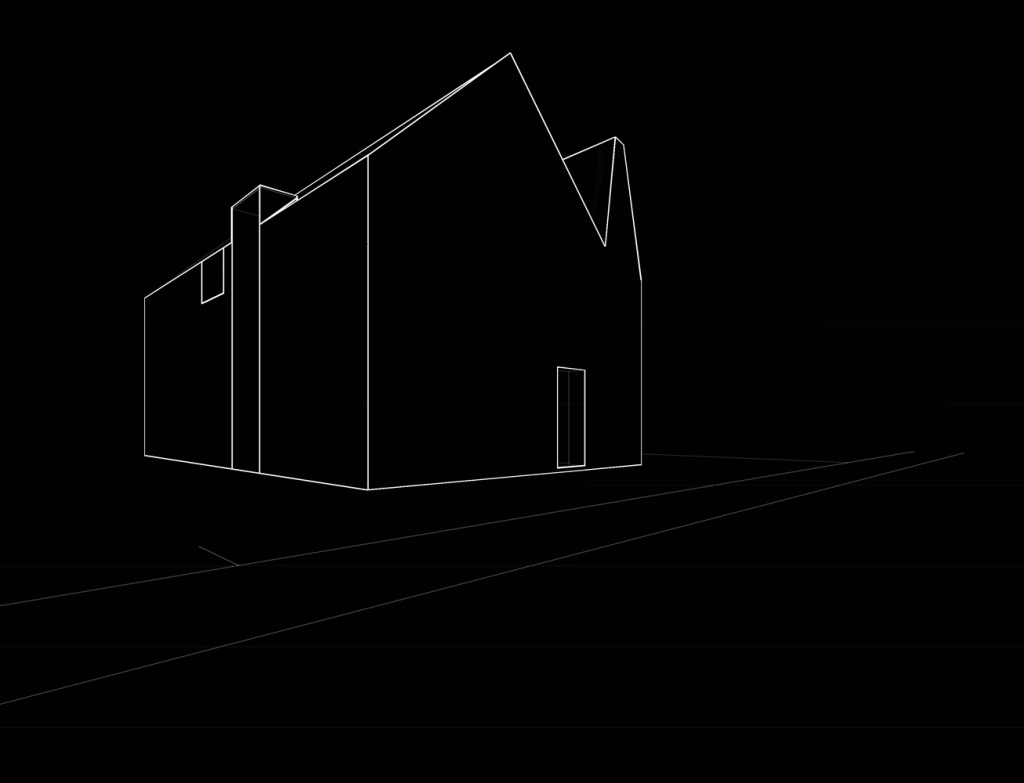
The “M House” sits on a flat plot of land on the outskirts not far from Vienna, that falls away from the main road. It has two floors. The upper floor is wrapped by the double roof. The upper floor contains all the bedrooms and private spaces of the house. The lower has all the communal functions, including the dining room, kitchen, living room, study, and wine cellar. Most of these rooms are tucked into S/W orientation facing the garden, so as to create a perceptual ambiguity: the viewer is unsure whether the house is in an urban context or in the countryside.
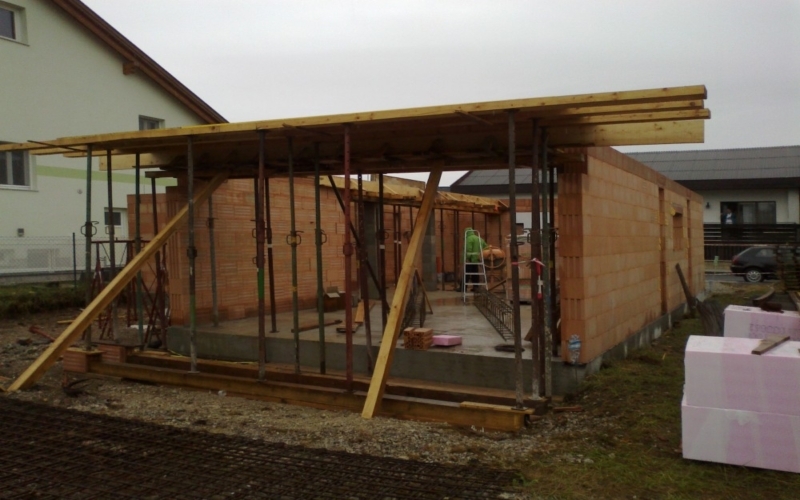
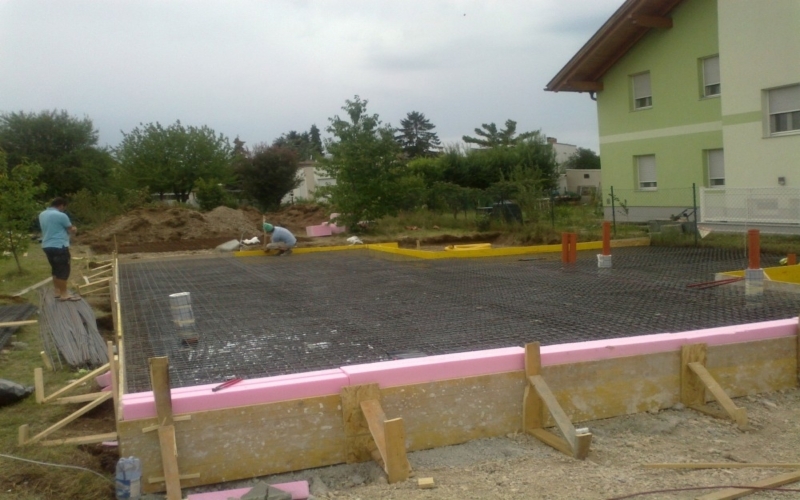
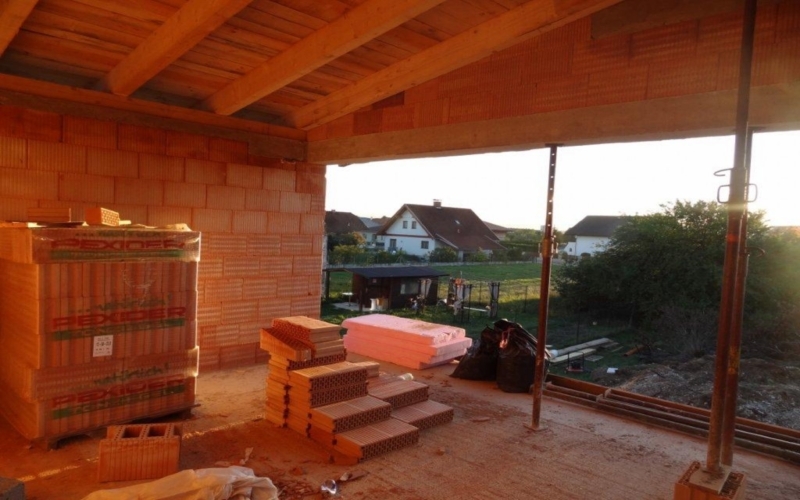
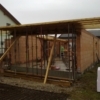
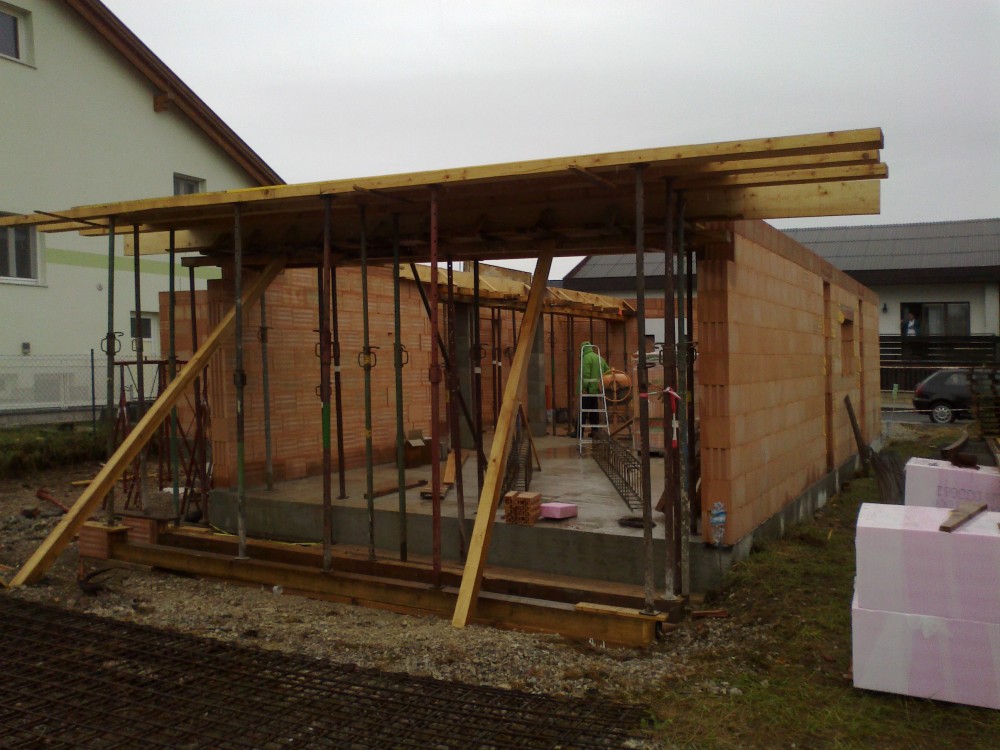
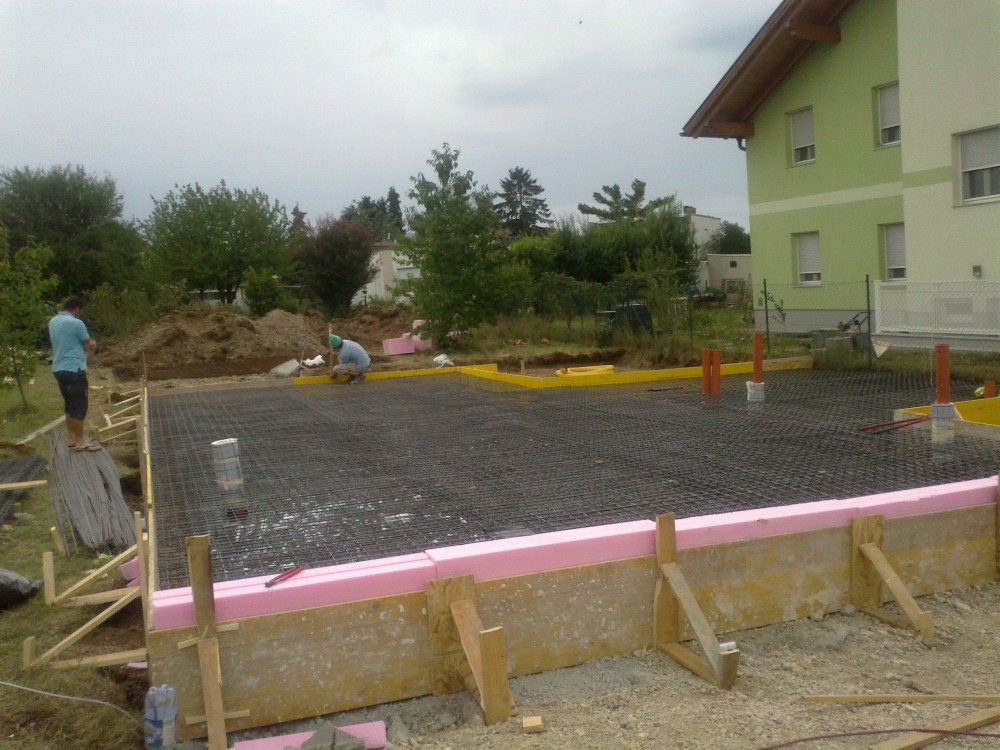
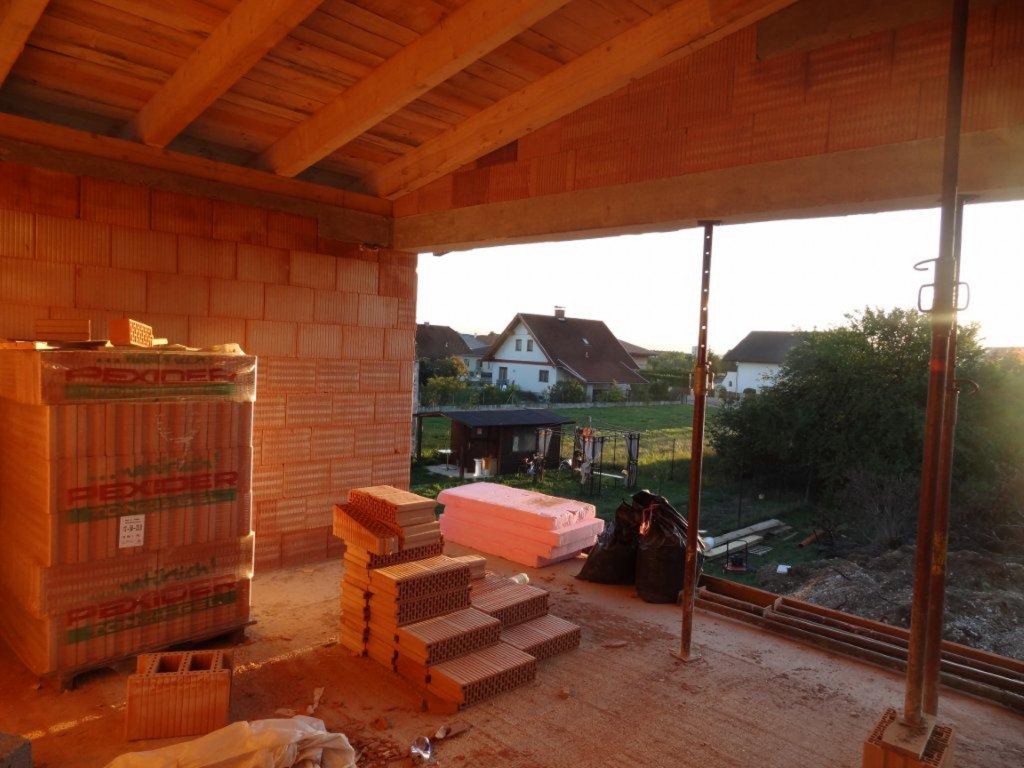
We have included here a view from the lower-level garden. This is the house during construction.
We like the idea that this house begins life as a dark object—a genuine triumphant modernist floating box, cut across by a skylight almost as a gesture to break off from the flatten surrounding.
Inside the house, going from the lower floor to upper floor a blade of light engages the traveller’s path: this is coming from a longitudinal skylight that cuts the second and lower roof.
CLIENT
Date:
Budget:
N/A